
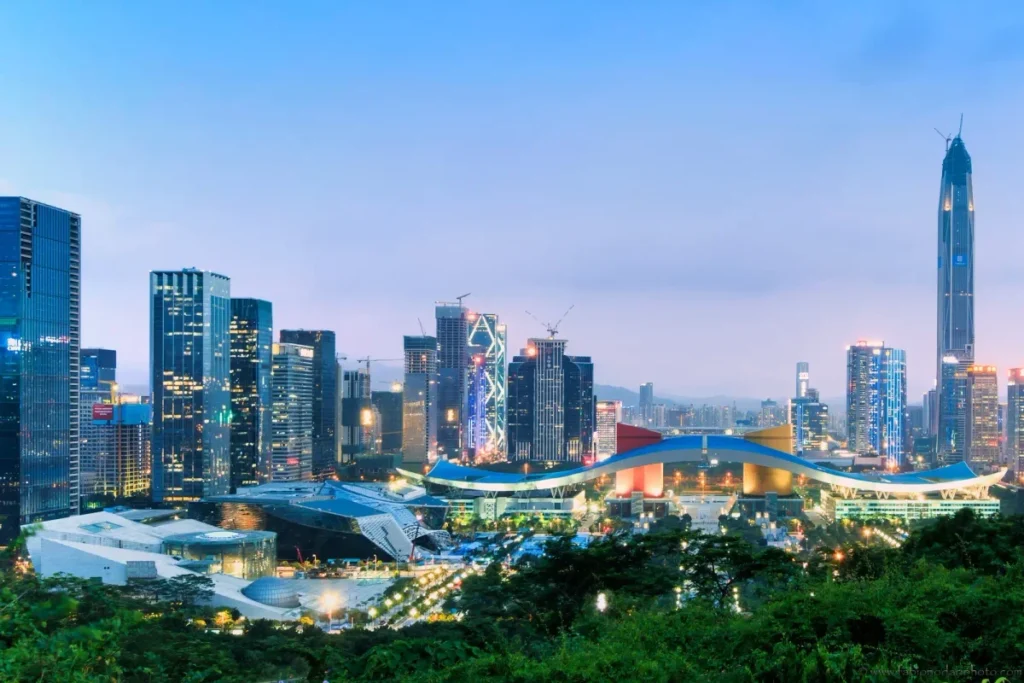
Shenzhen Travel Guide: Exploring China’s Futuristic Tech Hub
Planning your Shenzhen travel adventure? This complete guide covers the best time to visit, top attractions like the famous Huaqiangbei Electronics Market, local cuisine, and essential practical tips based on first-hand experience exploring China’s most innovative city.
Stepping into Shenzhen feels like arriving in tomorrow’s world while staying deeply connected to Chinese culture. Unlike ancient capitals, this city proudly showcases its modern identity.
Just four decades ago, it was a small border town with under 300,000 people. Everything changed in 1979 when China designated it as the country’s first Special Economic Zone, launching an economic experiment that would transform the region.
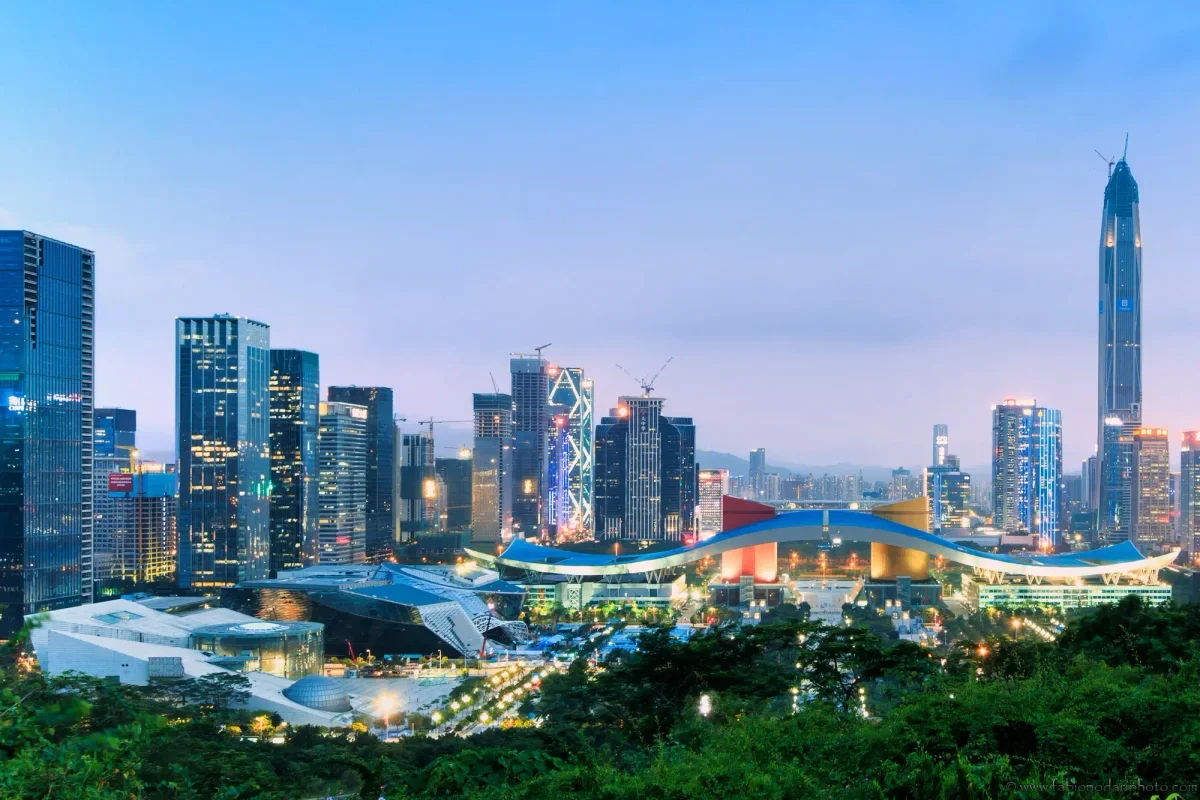
The results today are staggering. Shenzhen’s metropolitan area now houses over 18 million people and serves as China’s Silicon Valley, hosting tech giants and the nation’s third stock exchange.
The city’s skyline is dominated by architectural marvels like the Ping An Finance Center, visible from miles away. What surprised me most during my visits was the exceptional urban planning – extensive green spaces like Shenzhen Bay Park and wide boulevards make it feel less crowded and more walkable than Beijing or Shanghai.
This rapid development comes with trade-offs. Shenzhen ranks among China’s most expensive cities, and the relentless tech industry pace creates intense working environments.
Yet the energy is palpable – from the gadget paradise of Huaqiangbei to the cultural mashup at Window of the World theme park, the city perfectly embodies modern China’s innovative, fast-evolving spirit.
Getting to Shenzhen and Navigating the City
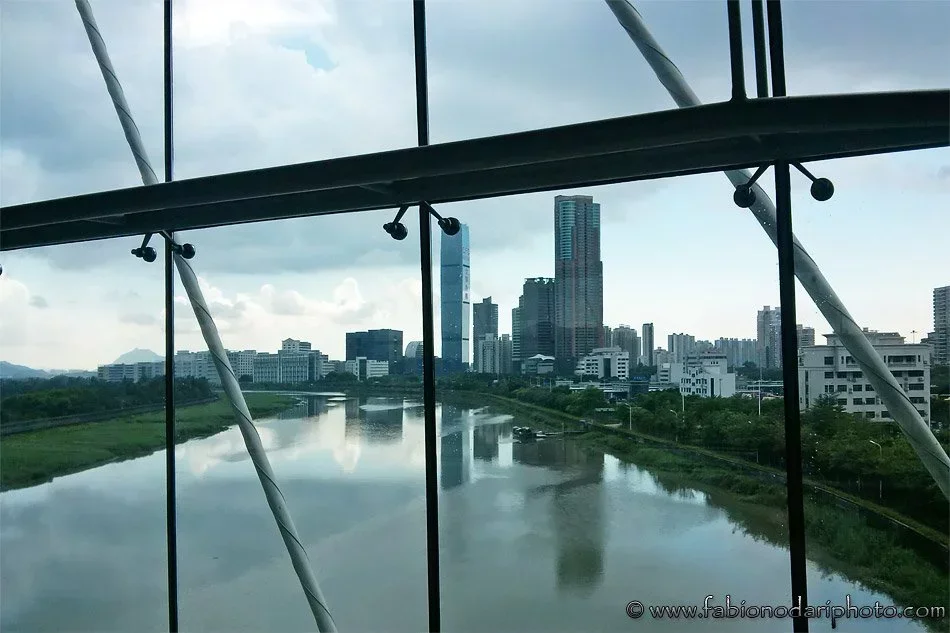
Shenzhen’s status as a major Special Economic Zone makes it one of China’s best-connected cities. You’ll arrive at Shenzhen Bao’an International Airport or via high-speed rail at Futian or Shenzhen North stations.
For the smoothest booking experience, use domestic apps like Trip.com for trains and Didi for taxis.
Traveling from Hong Kong is incredibly efficient. The high-speed rail from West Kowloon Station to Futian CBD takes just 20 minutes, whisking you directly into the heart of the city.
For a more budget-friendly route, take the MTR to Lo Wu or Lok Ma Chau, cross the border on foot, and connect to the Shenzhen Metro. Ferry services also operate from Sheung Wan to Shekou Cruise Center in Nanshan District, offering a scenic 30-60 minute journey across the water.
Navigating Shenzhen is straightforward. The extensive metro system is clean, affordable, and has English signage, making it ideal for reaching hubs like Huaqiangbei Electronics Market.
Didi (China’s Uber) is widely available and inexpensive for direct trips. For accommodation, base yourself in Futian for modern skyscrapers like Ping An Finance Center or Luohu for easier border access and local markets.
Shenzhen’s Vibrant Culture and Cuisine
Shenzhen’s culture reflects its identity as China’s pioneering special economic zone – a melting pot of innovation rather than ancient traditions. The city’s young, ambitious population has created a uniquely modern culture where tech entrepreneurs mingle with artists in creative districts.
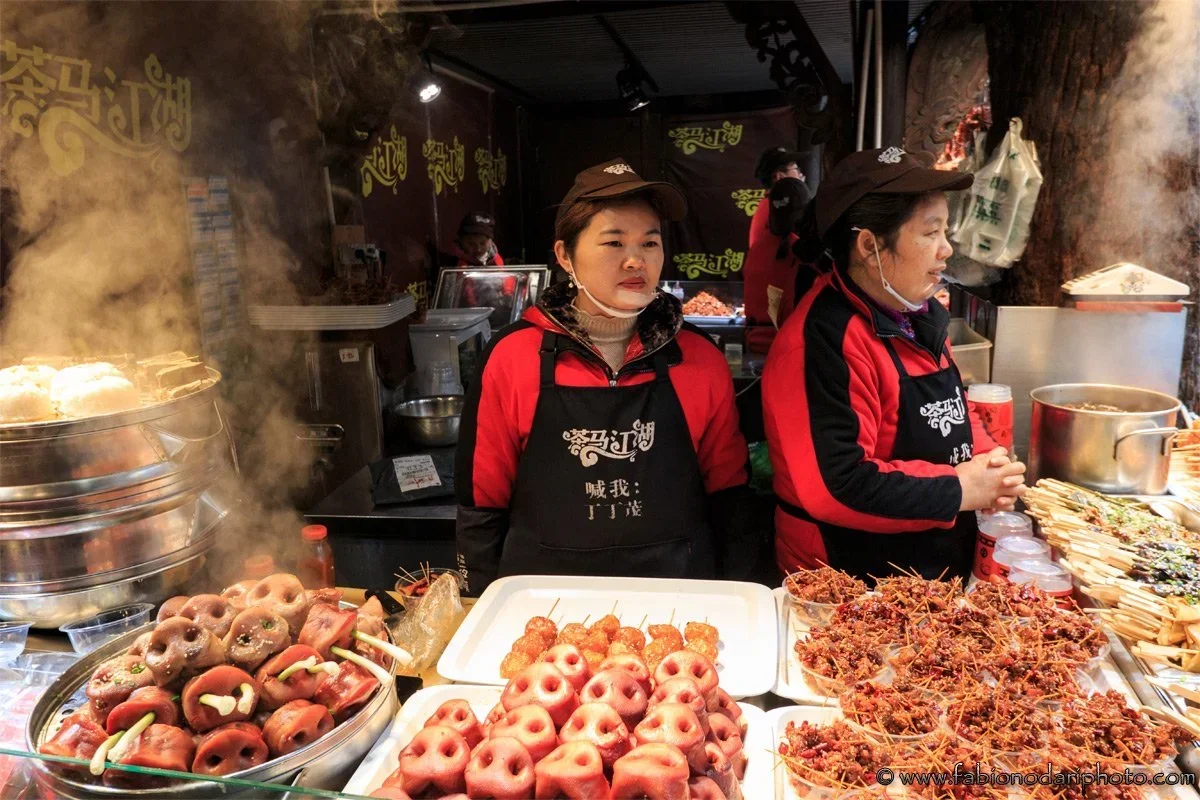
The food scene showcases this diversity through incredible regional cuisine. You’ll find authentic Cantonese dim sum served alongside fiery Sichuan hotpot and hearty northern noodles.
For the best dim sum experience, visit local tea houses around 11 AM when baskets steam with fresh har gow and siu mai. The city’s coastal location means seafood dominates many menus – head to Shekou’s harborfront restaurants where tanks overflow with live fish and crabs selected for immediate cooking.
Don’t miss the food streets near Huaqiangbei electronics market where office workers queue for quick, delicious lunches. The energy here feels distinctly Shenzhen – fast, efficient, and endlessly innovative.
Shenzhen delivers an experience unlike any other Chinese city,a dynamic showcase of modern China’s rapid development and innovative spirit. Forget searching for ancient temples; this special economic zone thrives on futuristic skylines, cutting-edge technology hubs, and vibrant green spaces that create perfect urban contrast.
The city’s true magic lies in its daily rhythm. Start your morning marveling at the Ping An Finance Center’s staggering height, spend your afternoon cycling through Shenzhen Bay Park with stunning waterfront views, and cap your evening exploring the endless stalls of Huaqiangbei electronics market.
The energy is palpable everywhere.
Come with an open mind rather than comparing it to historical destinations. Shenzhen offers a genuine look at contemporary Chinese urban life, where towering glass structures coexist with authentic local seafood markets and creative districts.
I’ve walked these streets for weeks and still discover new tech cafes and hidden food alleys.
This city stands as a must-visit for travelers curious about China’s future-facing cities who want authentic experiences without overwhelming tourist crowds. The contrast between the Window of the World theme park’s global landmarks and the city’s own groundbreaking architecture creates a unique travel narrative.
Practical tip: Arrange a VPN before arrival for seamless internet access, and consider a China-focused eSIM for reliable connectivity. Always secure comprehensive travel insurance for international trips.
For deeper exploration, local guides can provide incredible access to Shenzhen’s innovation centers and culinary scenes.