
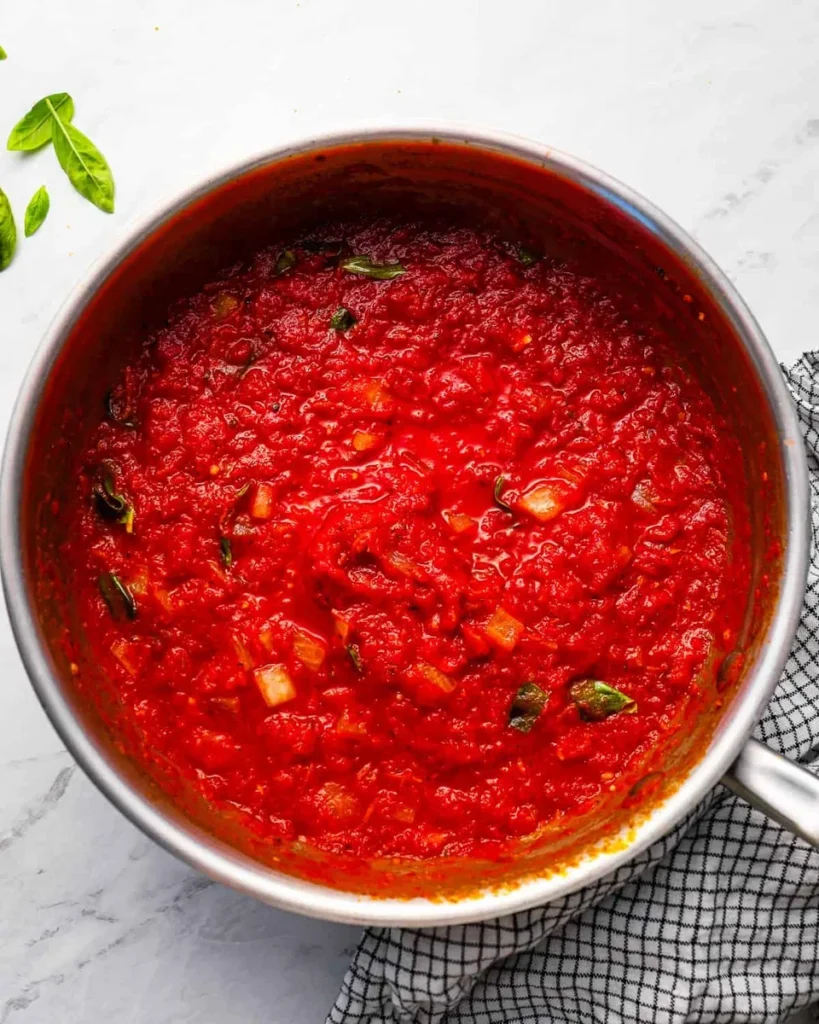
This homemade spaghetti sauce transforms ordinary pasta into authentic Italian comfort food. Made from scratch with crushed tomatoes, fresh garlic, and aromatic herbs, it delivers richer flavor than any jarred sauce.
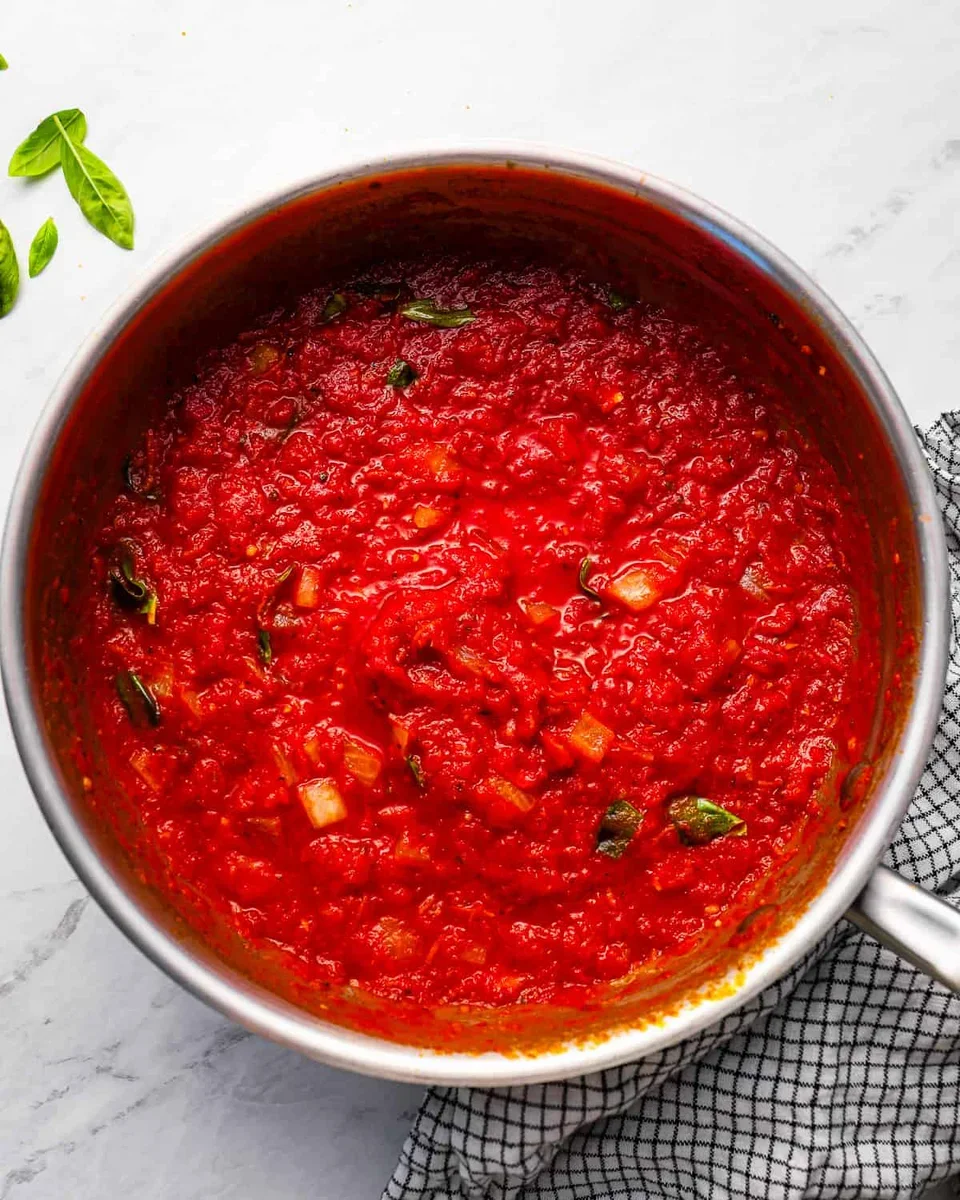
Key Ingredients for the Best Spaghetti Sauce
This sauce uses simple, whole ingredients that build layers of flavor from the ground up, with a few smart additions to balance acidity and richness perfectly.
- Extra-virgin olive oil: Use a good quality oil to sauté the aromatics; it forms the flavorful foundation of the sauce and shouldn’t be skipped.
- Yellow onion: Finely chopped onion softens and caramelizes slightly, providing a subtle sweetness that deepens the overall taste.
- Carrot: Finely grated carrot dissolves into the sauce as it simmers, naturally balancing the tomatoes’ acidity without making it taste sweet.
- Garlic: Minced fresh garlic is essential for that unmistakable earthy, aromatic base,it should sizzle briefly to release its flavor without burning.
- Crushed tomatoes: High-quality canned crushed tomatoes provide the ideal thick, rich texture and bright tomato base. Look for brands with no added citric acid.
- Tomato paste: Cooked for a minute with the aromatics, it adds a concentrated depth of flavor and rich color.
- Fresh basil: Added at the very end, it gives a burst of fresh herbal aroma. Tear the leaves to release more oils.
- Dried oregano: Added early to bloom in the oil, it provides a robust, earthy backbone that holds up to long simmering.
- Sugar: Just a pinch is used to counteract any sharp acidity from the tomatoes, not to sweeten the sauce.
- Red pepper flakes: A small pinch adds a gentle warmth in the background; you can adjust this to your preference.
Test Kitchen Tips for Superior Flavor
Your homemade spaghetti sauce gets its rich flavor from quality oil and tomatoes. Opt for high-quality canned crushed tomatoes – San Marzano varieties work exceptionally well.
Their natural sweetness and low acidity create a perfectly balanced, restaurant-worthy sauce that clings beautifully to pasta.
Simple Ways to Customize Your Sauce
Our classic homemade spaghetti sauce is endlessly adaptable. For a heartier version, brown ground beef or Italian sausage with the onions and garlic.
Sautéed mushrooms add earthy depth, while roasted red bell peppers lend a subtle smokiness. Stir in a splash of red wine during simmering for richness, or finish with heavy cream for a luxuriously smooth texture.
Each variation builds on the tomato and herb foundation without overpowering the fresh basil and oregano.
How to Make Spaghetti Sauce Step by Step
- Sauté the Vegetables: Heat olive oil in a medium pot over medium heat. Add chopped onion and finely grated carrots, cooking until they soften completely (5-7 minutes). The carrots should almost melt into the sauce later, adding natural sweetness without texture.
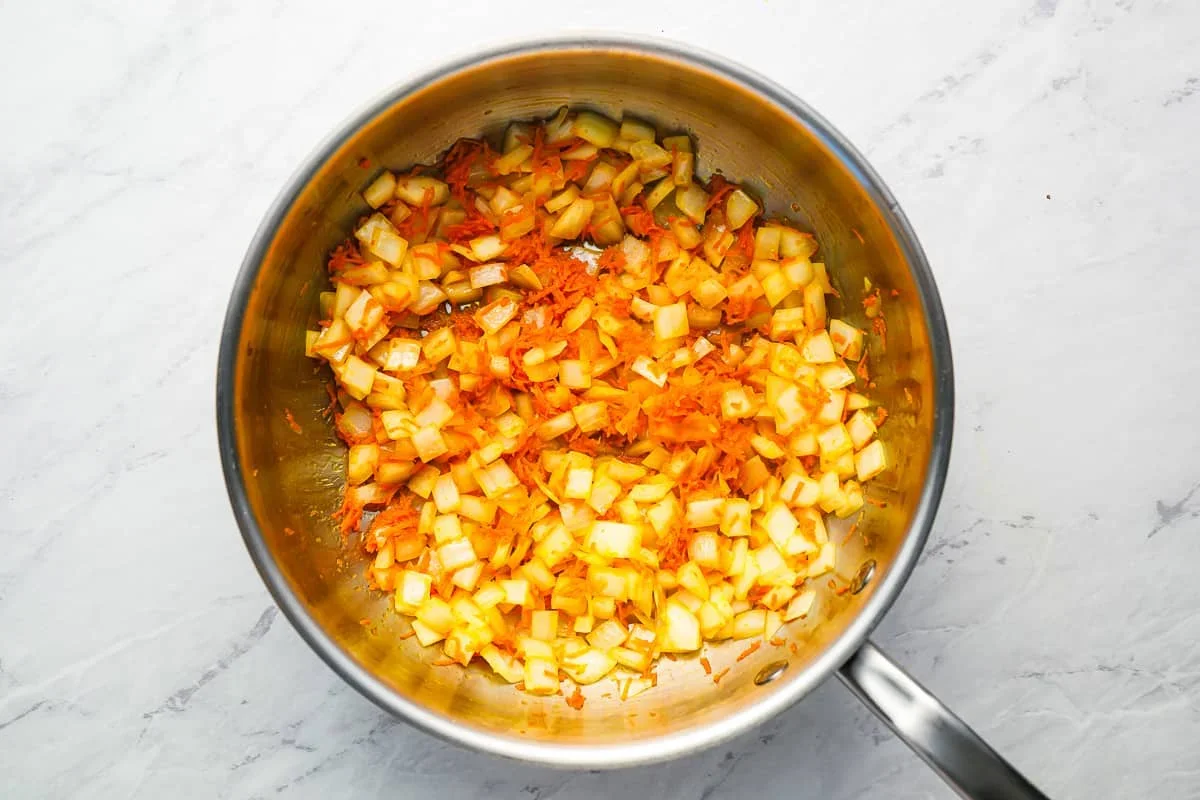
- Build the Flavor Base: Stir in minced garlic and red pepper flakes, cooking just until fragrant (about 1 minute). Don’t let the garlic brown – it turns bitter. Add crushed tomatoes, tomato paste, salt, black pepper, dried oregano, and sugar. The sugar balances the acidity of the tomatoes perfectly.
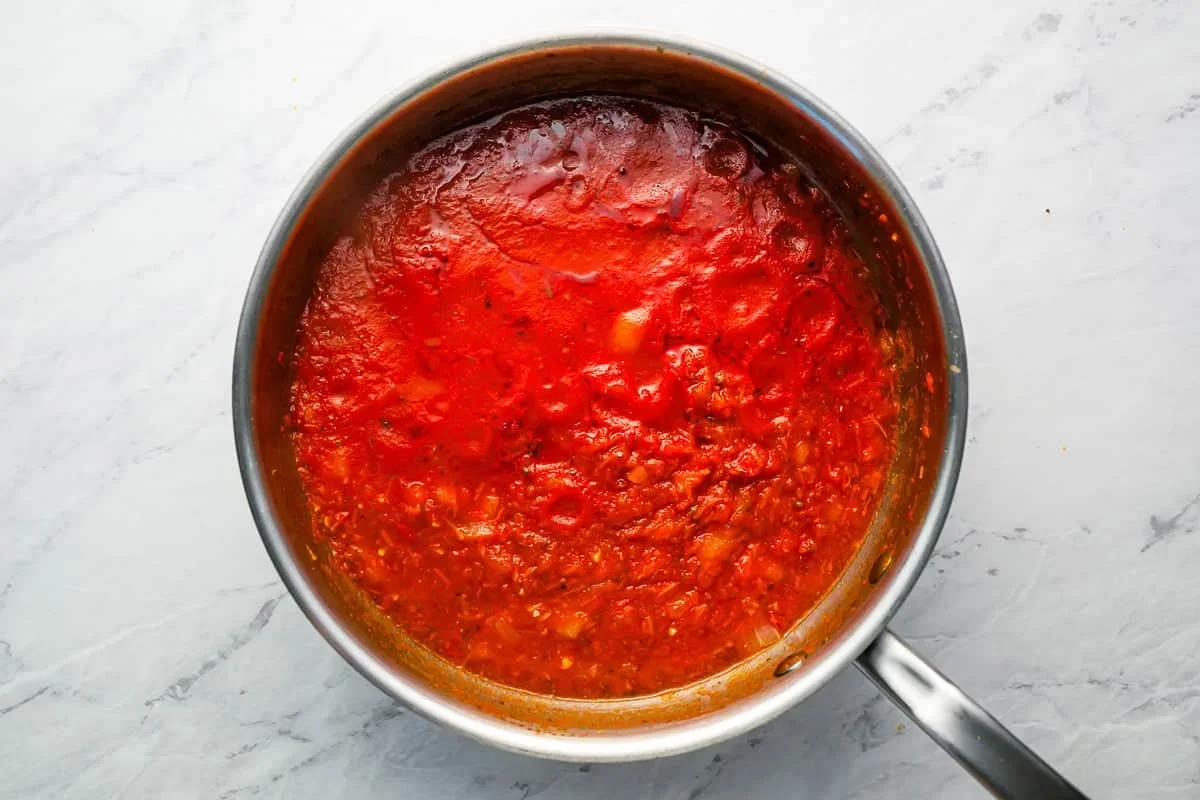
- Simmer to Thicken: Bring the sauce to a gentle simmer and cook uncovered for 20-30 minutes, stirring occasionally. You’ll know it’s ready when it coats the back of a spoon without dripping. If it spatters, partially cover the pot. For a thinner consistency, add a tablespoon of water at a time.
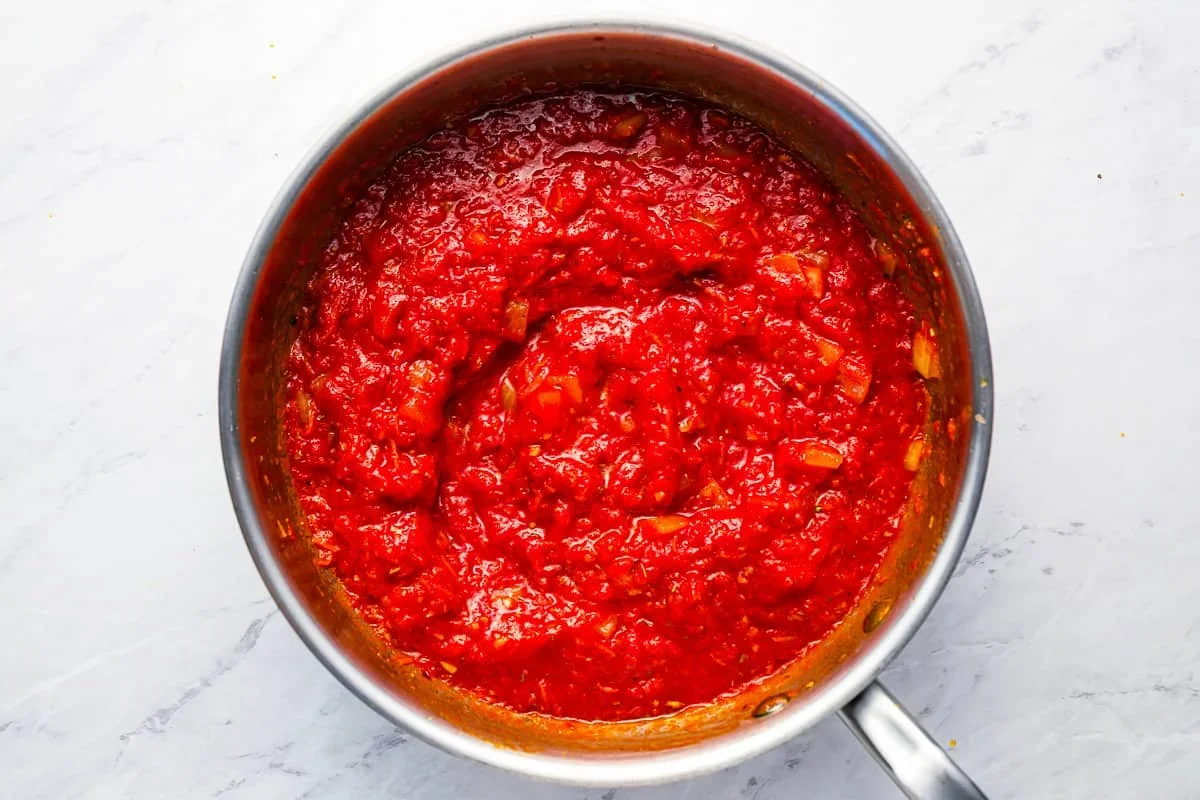
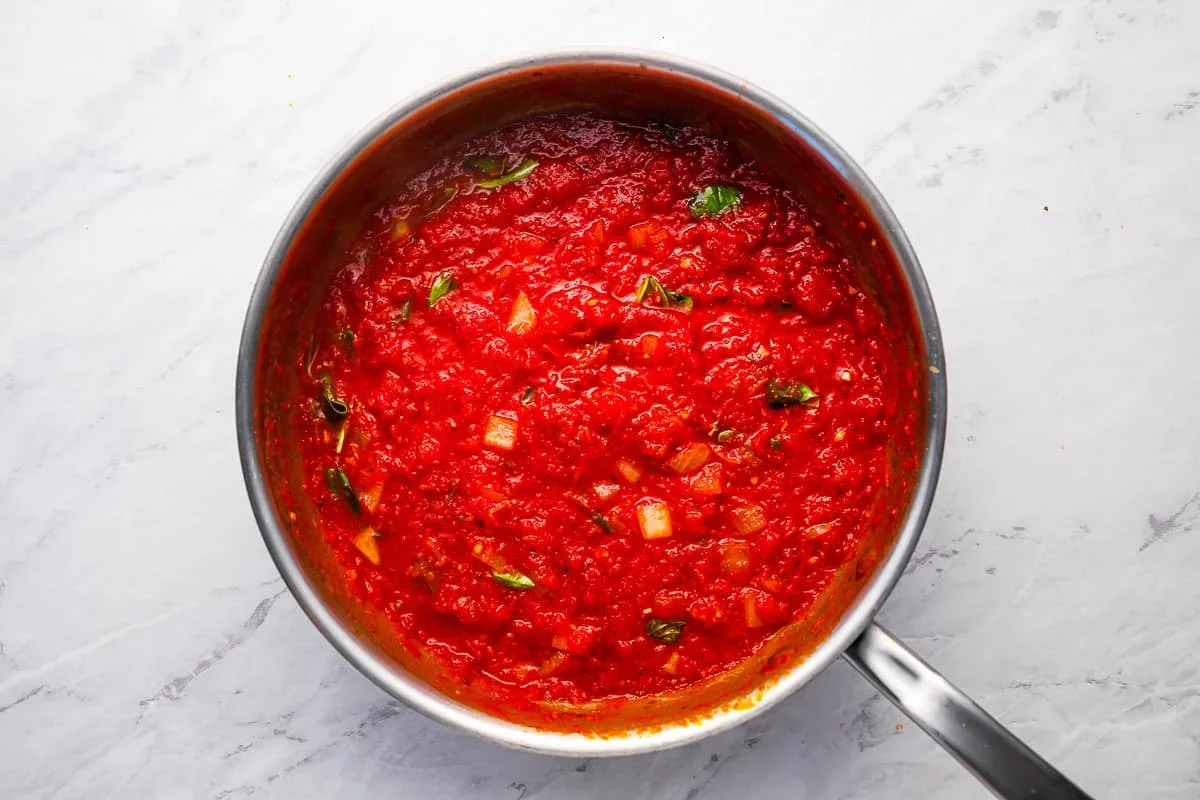
- Finish with Freshness: Remove from heat and taste for seasoning. Stir in torn fresh basil just before serving – the residual heat will wilt it perfectly without losing its bright flavor. The basil’s aroma will fill your kitchen.
Storage and Reheating Instructions
Store your leftover homemade spaghetti sauce in an airtight container in the refrigerator for up to 5 days. For longer storage, freeze it for up to 3 months in freezer-safe containers or bags.
Press plastic wrap directly onto the surface before sealing to prevent freezer burn. Thaw overnight in the fridge before reheating gently in a saucepan over low heat, stirring occasionally, until steaming hot.
Freezing Your Homemade Spaghetti Sauce
Freeze your homemade spaghetti sauce in airtight containers or freezer bags for up to 6 months. Portion it into single servings using ice cube trays or small jars for quick weeknight meals.
Thaw overnight in the refrigerator,never at room temperature to prevent bacterial growth. The rich tomato and herb flavors actually deepen after freezing.
Perfect Pairings for Your Sauce
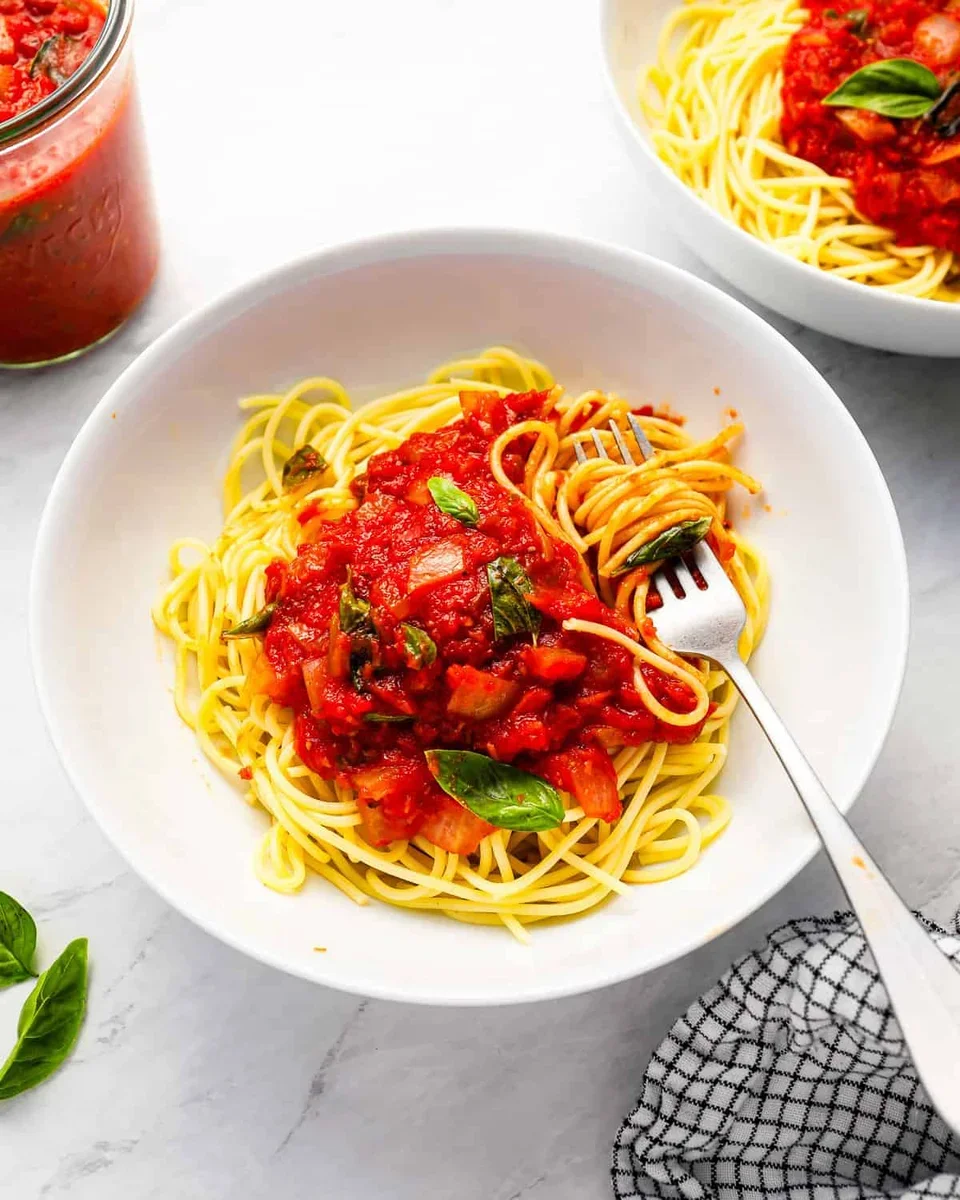
This rich homemade spaghetti sauce shines over al dente pasta like spaghetti or rigatoni. For a classic meal, pair it with garlic bread to soak up every drop.
It’s also a fantastic dipping sauce for mozzarella sticks or homemade pizza rolls – the sweet tomato and herb flavor complements fried appetizers perfectly.
Homemade Spaghetti Sauce FAQs
Is making spaghetti sauce from scratch worth it?
Yes. You control the ingredients, avoid preservatives, and achieve a fresher, richer tomato flavor that jarred sauces can’t match.
How important is tomato paste?
Critical. Tomato paste provides concentrated umami and thickens the sauce without dilution. Cook it until it darkens slightly for maximum flavor depth.
Should I add sugar to spaghetti sauce?
A small amount balances the natural acidity of tomatoes. Taste your sauce first,only add sugar if it tastes too sharp.
Does spaghetti sauce get better with longer cooking?
Yes. Simmering for at least 30 minutes allows flavors to meld. For deeper complexity, cook it low and slow for up to 3 hours, stirring occasionally.
Why does my sauce taste bitter?
Bitterness usually comes from scorched garlic or tomatoes. Stir frequently and use low heat. A pinch of baking soda can neutralize acidity if needed.
Can I use spaghetti sauce for pizza?
Absolutely. Its thicker consistency and robust flavor make it ideal for pizza. Simmer it an extra 10 minutes to thicken further if desired.